Encouraging a new generation of town centre living: Dalkeith
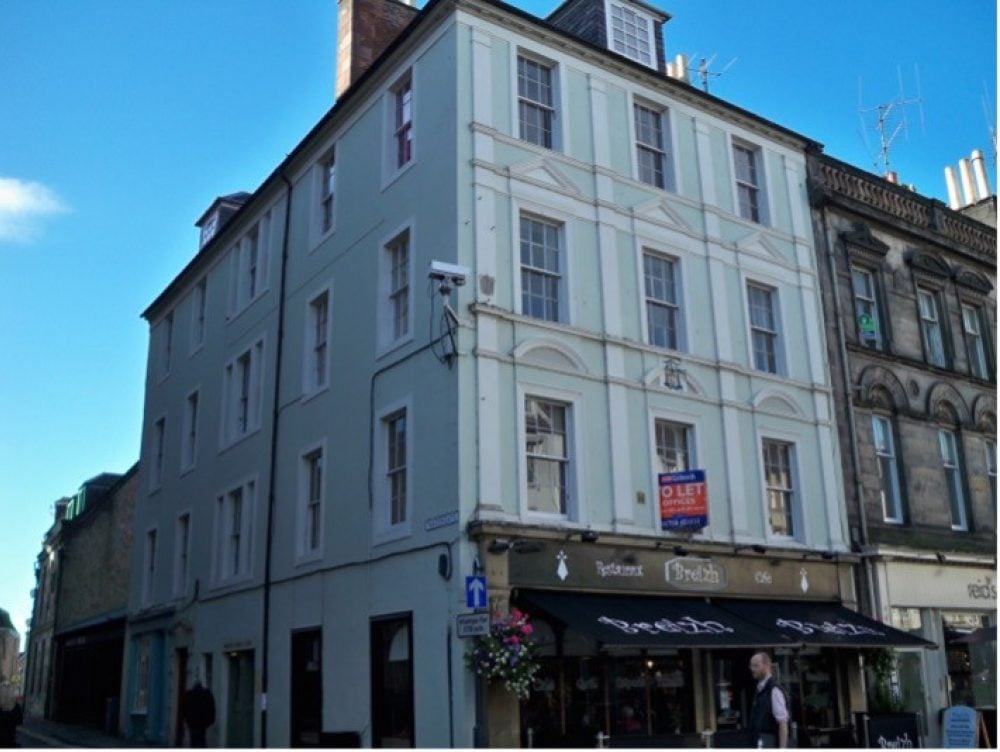
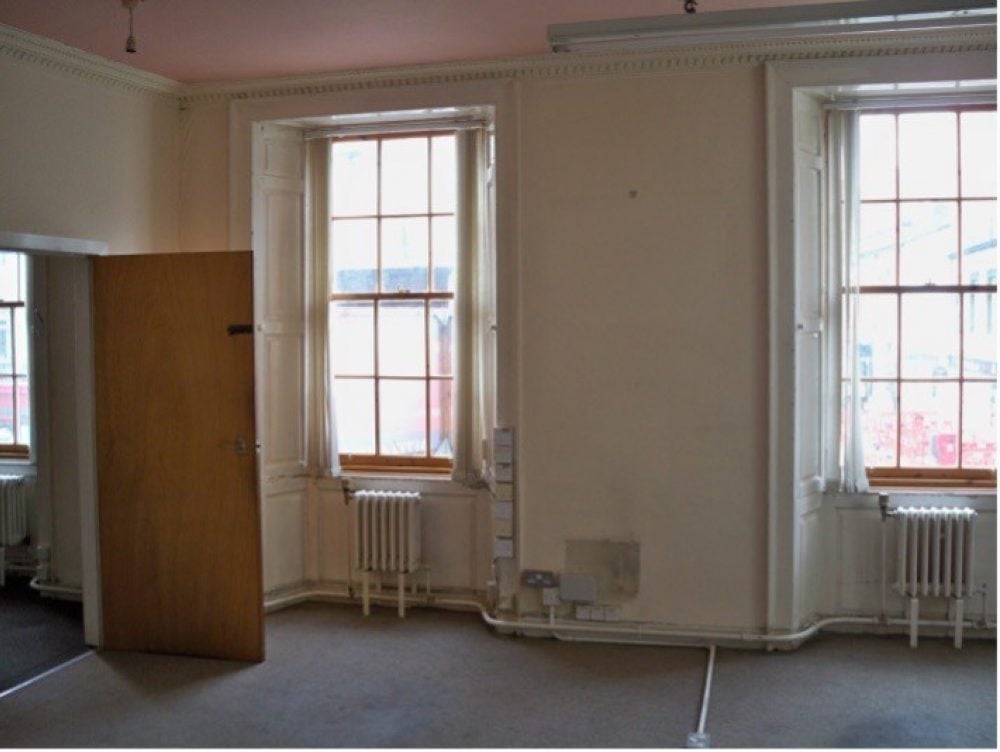
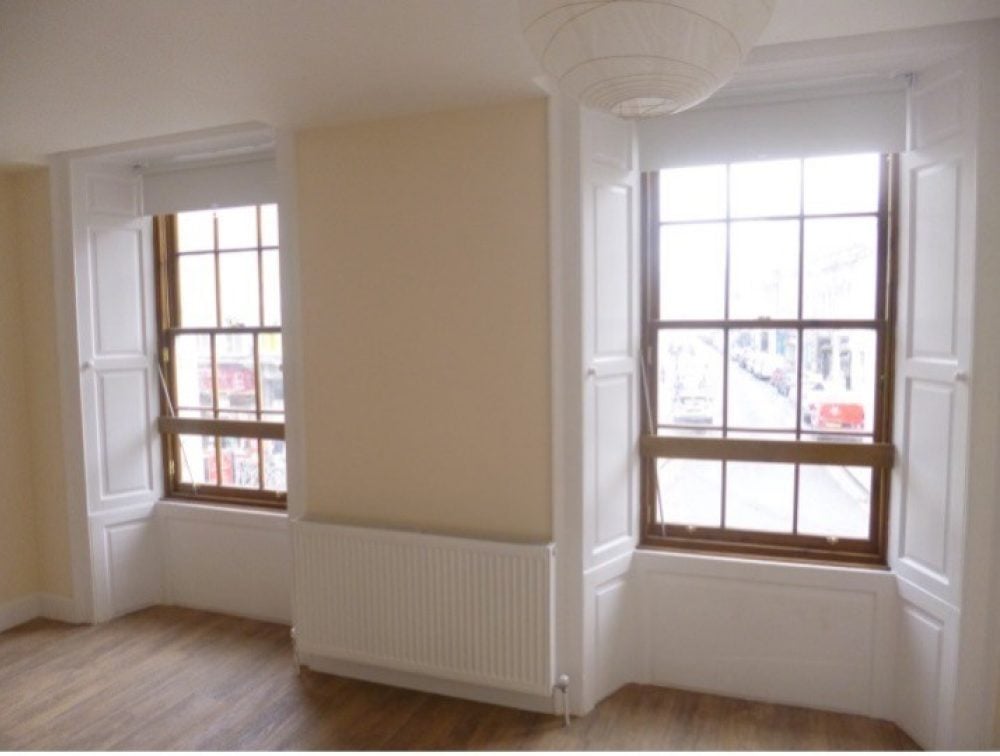
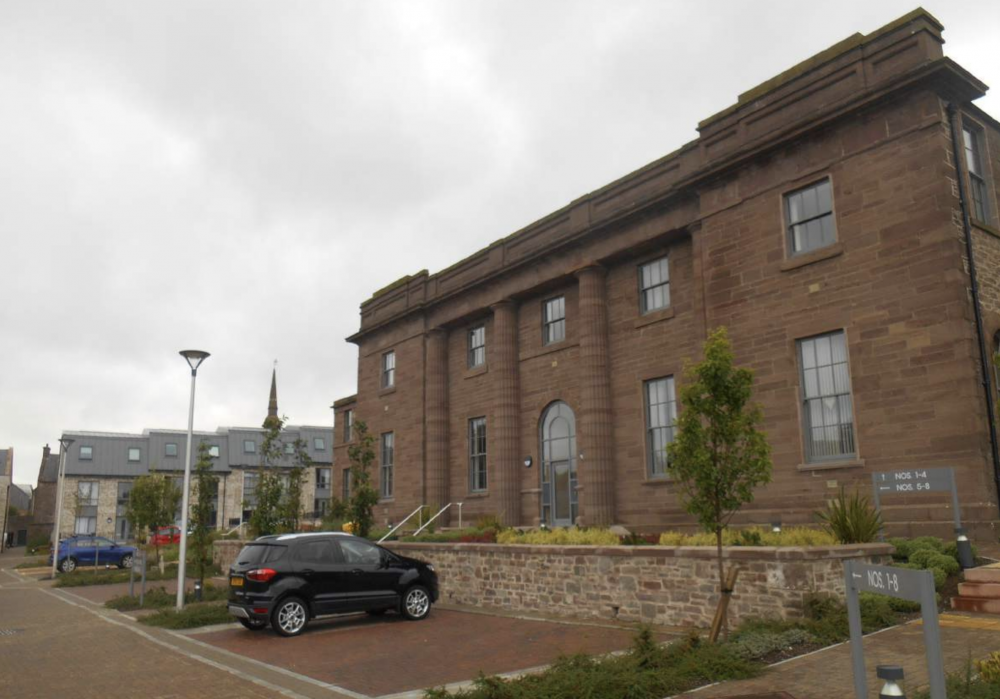
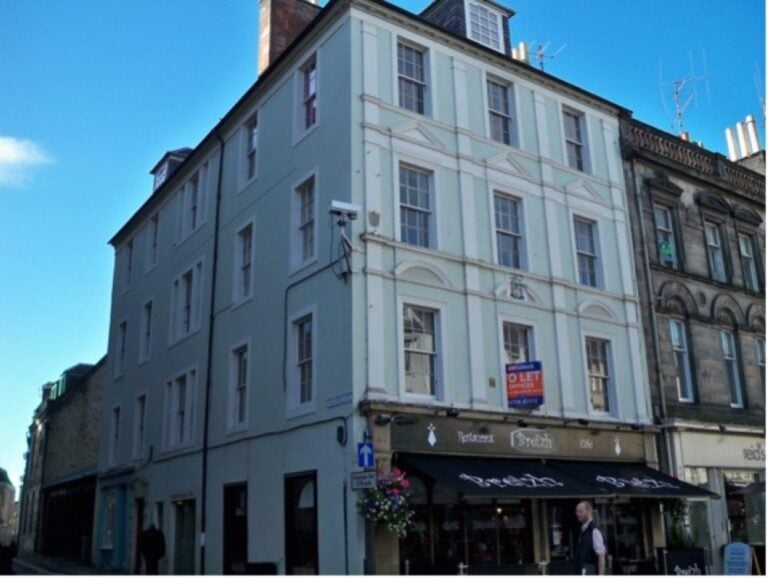
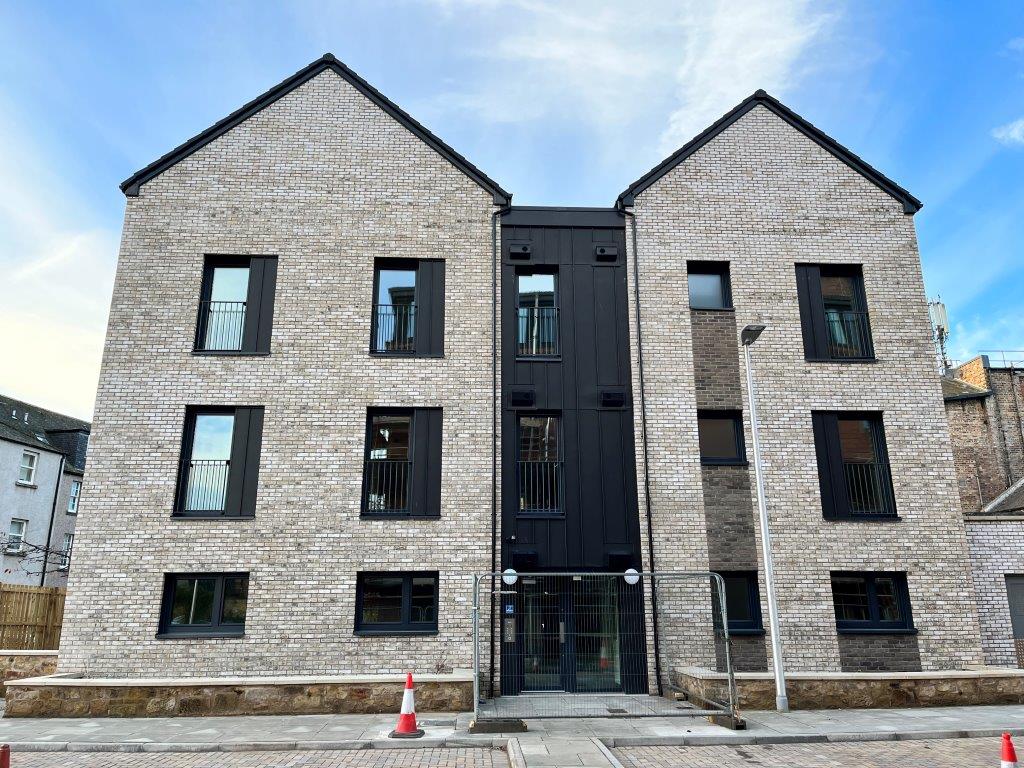
The importance of having people live – as well as work in and visit – our town centres is highlighted in Dalkeith, Midlothian, where a new development has brought a neglected pocket of the community back to life. The project led by Smith Scott Mullan, centred on Buccleuch Street, creating 10 new homes and two retail / enterprise units.
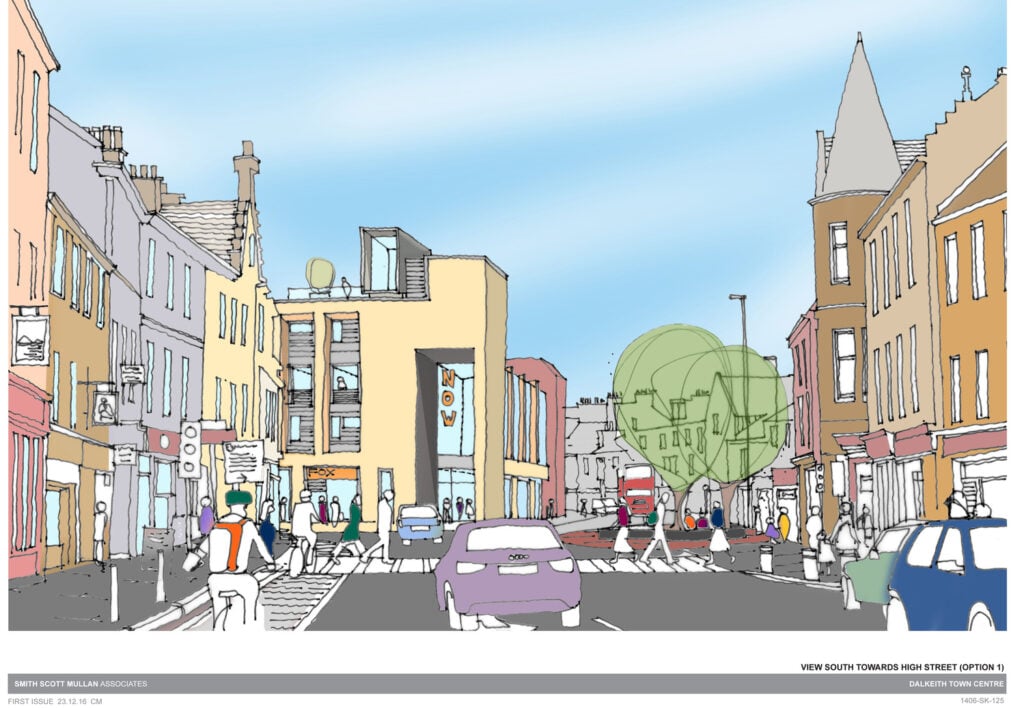
The site was a part of a wider masterplan study discussion, focusing on regenerating the town centre. To inform the plans, there were a series of workshops with stakeholders and the community, followed by a three-day drop in and exhibition held in a retail unit in the town centre. Information was gathered relating to a physical analysis of the area, local stakeholders and the community.
Key objectives were to create a town centre which is well connected to the surrounding areas, with streets that provide the appropriate environment for pedestrians, cyclists and vehicles, a primary open space (Town Square) which will provide a focal point, increased retail and high-quality mixed tenure housing. This masterplan study established a brief for the regeneration of the town centre, of which the Buccleuch Street site is a key element, creating a new pedestrian link to the primary school and park beyond.
An element of public art was required within the development as one of the Planning conditions. To achieve this, Dalkeith Arts, consulted with the community and prepared a range of design proposals for the Council to review. The final result was a decorative railing and gate, in the form of a pear tree, which Dalkeith is known for, which a local blacksmith create.
The economic, social and health benefits
- Increased number of homes and retail units turning a “dead and derelict” portion of the street into an attractive, distinct, and active area. Significant perception shift.
- Increased footfall helping local economy. Creating an attractive pedestrian link between two important points in the town, encouraging active travel and movement with reduced interaction with cars. Walkability of the area and better local services improve health and wellbeing of residents.
- The new building has been built to achieve Passivhaus certification, and the existing building refurbished to a high standard in order to improve its energy performance. This means lower heating bills and therefore more available funds which can be spent supporting the local economy.
- Use of MVHR ventilation system and natural building materials addresses condensation and mould issue and improves indoor microclimate positively affecting health of residents