A Place to Live
Town centres have the opportunity to become thriving places to live by increasing residential populations through well-designed redevelopment, regeneration and the repurposing of underused buildings.
Bringing more homes into the centre can create activity throughout the day, increase footfall, support local businesses and strengthen the long-term resilience and vitality of the urban core.
Homes located within the heart of the town, overlooking streets and public spaces, can provide valuable passive surveillance, helping to create safer, more welcoming environments. A stronger residential presence can contribute to a greater sense of ownership, activity and security throughout the day and evening.
As town centre communities become increasingly diverse and multi-generational, new housing must be supported by the infrastructure and amenities needed for everyday life. This includes accessible public spaces, community facilities, education, healthcare, leisure and other essential services that enable residents of all ages to live well.
By creating a balanced mix of homes and supporting functions, the town centre can evolve into a sustainable and inclusive neighbourhood — a place where people can live, connect and thrive.
Repopulate
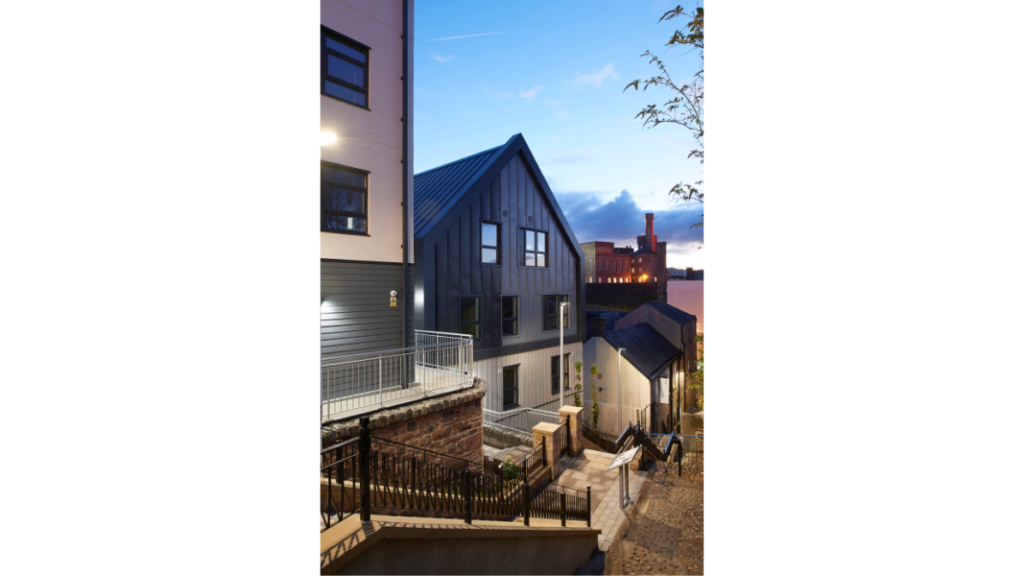
Inverness City Centre: Raining’s Stairs Public Realm / Urban Housing. (Threesixty Architecture / Trail Architects)
Introduce significant levels of urban living within the town centre to create a more vibrant, resilient and sustainable community. New mixed-use development should provide a diverse range of homes and tenures, including private market housing, affordable and social housing, student accommodation, and specialist homes for older people, including supported and sheltered living.
A stronger residential population can help stimulate the wider property ecosystem, supporting investment, improving vitality and enabling people to remain within the town centre throughout different stages of life. In particular, providing attractive options for downsizers can allow older residents to age in place with immediate access to shops, services, amenities and public transport, while releasing larger family homes elsewhere within the town.
Bringing life back to upper floors above retail and commercial premises through residential conversion can help address underused space, increase activity beyond traditional business hours and create a more balanced pattern of town centre living.
Residential growth should, however, be carefully considered alongside the role of existing and emerging evening economy uses. While both homes and night-time businesses contribute to safer streets by providing increased activity and ‘eyes on the street’, their relationship requires careful management. The introduction of new residential development should not unintentionally restrict established restaurants, bars, entertainment venues or cultural destinations through conflicts associated with noise and operation — commonly referred to as the ‘Agent of Change’ principle.
A balanced approach is required to ensure homes and evening economy uses can successfully coexist. Some locations may be suited to a blend of uses, such as residential above cafés, restaurants and bars, while other areas may be more appropriate for louder entertainment uses, including live music venues and nightclubs, with sufficient separation and design measures to protect both residents and businesses. Careful consideration of location, building design and management will allow the town centre to support a diverse mix of activity while maintaining a thriving and inclusive urban environment.
Locate Services Centrally
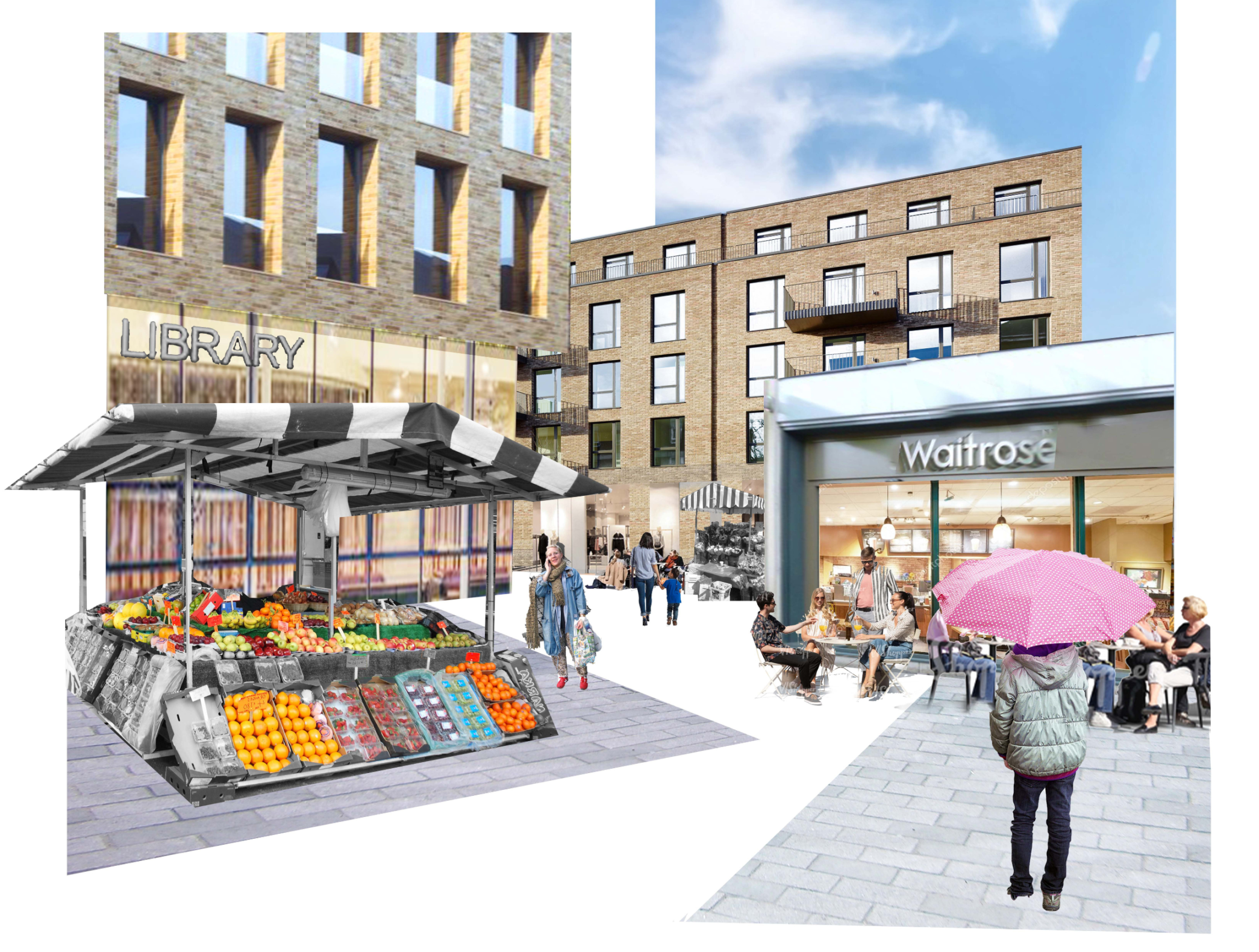
Key institutions and essential services are fundamental to supporting successful town centre living. These include food retailers, schools, healthcare facilities, civic services and community functions that meet everyday needs and remain accessible to residents and visitors. Locating these uses at the heart of the community improves accessibility, encourages activity throughout the day and increases footfall, helping to create a vibrant, resilient and inclusive town centre.
For publicly funded developments, there should be a strong presumption in favour of a more holistic town centre first approach, moving beyond the consideration of individual projects in isolation. Decisions should recognise the wider social, economic and regeneration benefits of locating public assets together within the town centre. By placing public services and civic functions in central locations, their value is maximised through improved accessibility, greater visibility and stronger connections with the wider community.
This approach delivers a shared benefit: communities gain convenient access to essential services, while town centres benefit from increased activity, stronger footfall and improved economic resilience. Strategic investment in centrally located public assets can act as a catalyst for wider regeneration, reinforcing the town centre as the natural focus for community life, a place to live and everyday activity.