A Vibrant Place
A successful town centre should be vibrant, welcoming and safe, offering a diverse mix of culture, music, hospitality and leisure that underpins the local economy and, where appropriate, supports tourism, particularly during evenings and weekends.
Beyond its economic role, the town centre enhances quality of life by providing opportunities for entertainment, social interaction and shared experiences, reinforcing its position as the heart of the community.
To achieve this, our town centres require a greater diversity of uses and stronger integration of existing cultural and creative activities. New attractions and destinations should be introduced in locations where they can generate the greatest impact, increasing footfall, encouraging longer dwell times and supporting surrounding businesses. Investment should focus on creating complementary uses that broaden the town centre offer, appeal to a wide range of age groups and encourage activity throughout the day and into the evening.
By fostering a more diverse, resilient and experience-led evening economy, the town centre can strengthen its role as the social, cultural and economic heart of the community. A vibrant evening and weekend offer will attract residents and visitors alike, support local businesses, improve perceptions of the town centre and contribute to sustainable economic growth and long-term place vitality.
Attract
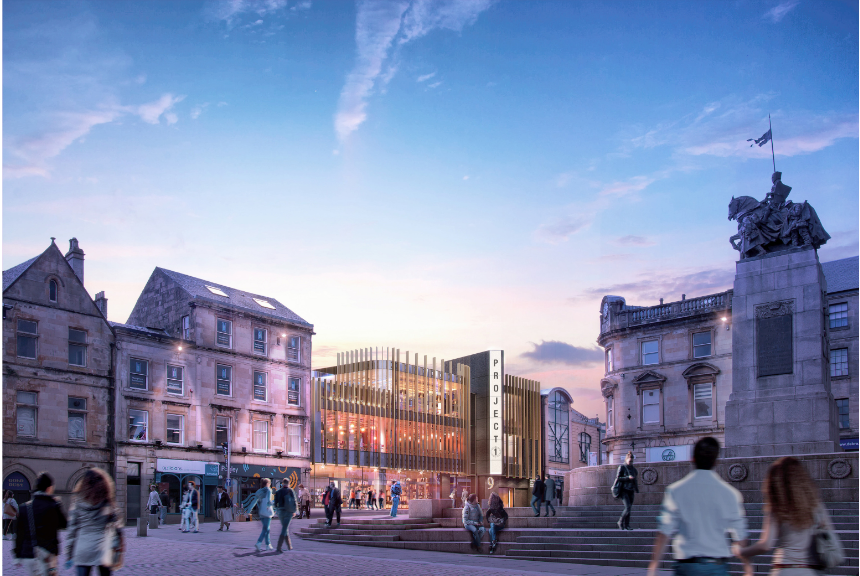
Social and cultural attractors are a major catalyst for positive change and offer important opportunities to drive more visits into your town centre. From community and civic destinations, to cultural centres, cinemas and European-style food halls, these uses can bring new life to old, cherished buildings.
Cinemas can continue to play an important role in successful town centres despite the competition from home streaming services. In particular, community-owned and independently operated cinemas in places such as Campbeltown, Aberfeldy and Prestwick demonstrate that smaller-scale venues can thrive while acting as anchors for surrounding businesses. Unlike out-of-town multiplexes, a centrally located cinema encourages linked trips, increasing footfall for nearby restaurants, cafés, bars and other cultural venues throughout the day and evening. It also offers greater accessibility for a wider range of residents and visitors.
Look to work with existing institutions and community groups to bring new galleries, museums and performance spaces to the heart of the High Street. Positioning these attractors strategically and making them work together to energise key routes by stimulating footfall is critical. You probably only have one shot to get the location right. Visibility, radial influence and approach routes should determine their positioning, not just conveniently available sites.
Night Life
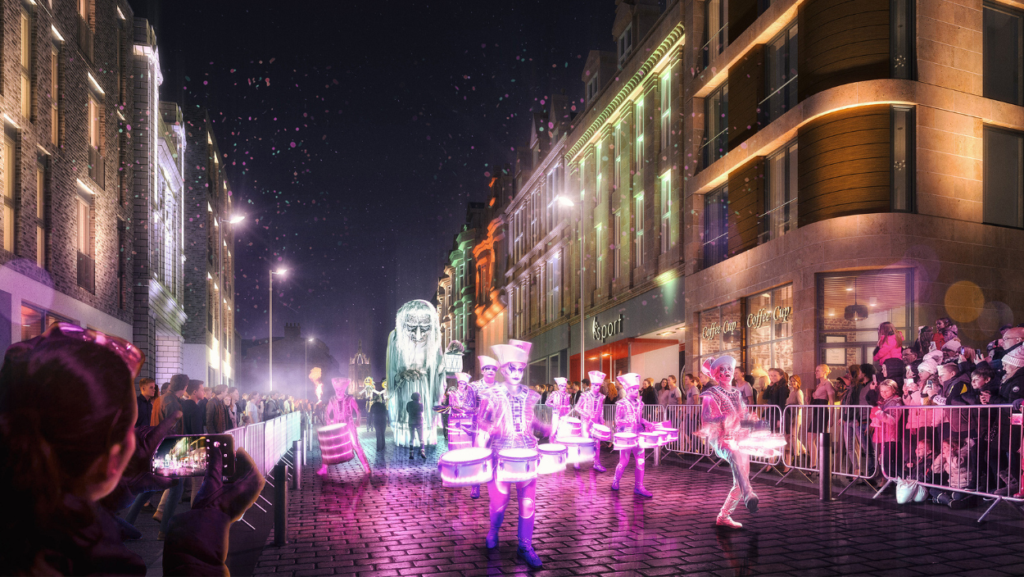
A successful town centre must be vibrant, welcoming and safe, offering a diverse mix of culture, music, hospitality and leisure that supports both the local economy and tourism. A thriving evening and weekend economy not only sustains businesses but also enhances residents’ quality of life by providing opportunities for entertainment, social interaction and shared experiences.
Achieving this requires a broader and more diverse mix of town centre uses, with a particular focus on expanding and strengthening the evening and weekend offer. A successful town centre should appeal to people of all ages, encouraging longer visits, increased spending and repeat trips while reinforcing the town’s identity as a destination.
The hospitality, leisure and cultural sectors, however, continue to face significant challenges. Rising costs associated with energy, rents, business rates, staffing, food and drink have placed unprecedented pressure on business viability. At the same time, households are experiencing similar financial pressures, reducing discretionary spending and affecting demand across the evening economy.
Supporting a thriving evening economy will therefore require a proactive and coordinated approach across planning, conservation, licensing and regulatory services. Investment in reliable evening public transport and active travel connections will also be essential to ensure the town centre remains accessible, safe and attractive beyond traditional shopping hours.
In addition to permanent attractions, the town should make greater use of temporary or ‘meanwhile’ uses to animate vacant and underused spaces. As part of a wider stalled spaces strategy, these could include flexible live music venues, pop-up food markets, outdoor events, cultural performances, seasonal programming and creative workspaces. Such initiatives can bring activity into the town centre quickly, test new concepts, support local entrepreneurs and build momentum for longer-term investment.
Embrace Creativity
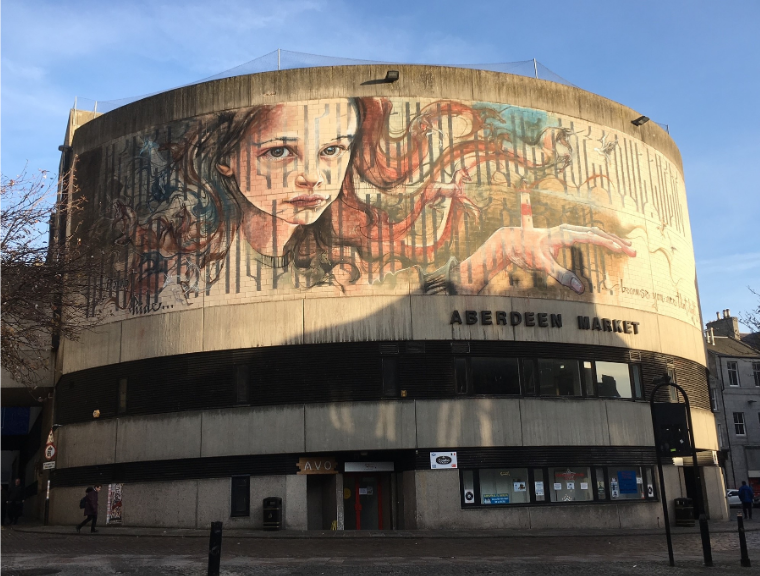
Public art, creative lighting and cultural installations can transform town centres, creating distinctive, attractive and memorable places while reinforcing local identity. These flexible interventions can animate streets throughout the year, support events and seasonal programming, and encourage greater footfall and dwell time.
Engaging local communities, artists and education providers in the design and delivery of public art fosters a sense of ownership and celebrates the town’s unique character.
Alongside this, supporting creative and cultural activity through collaborative workspaces, pop-up venues and temporary uses can help incubate new businesses, activate vacant premises and strengthen the local economy. A coordinated approach that connects property owners with creative and community organisations, supported by targeted grants for building fit-outs and shopfront activation, can bring underused spaces back into productive use and contribute to a more vibrant and resilient town centre.